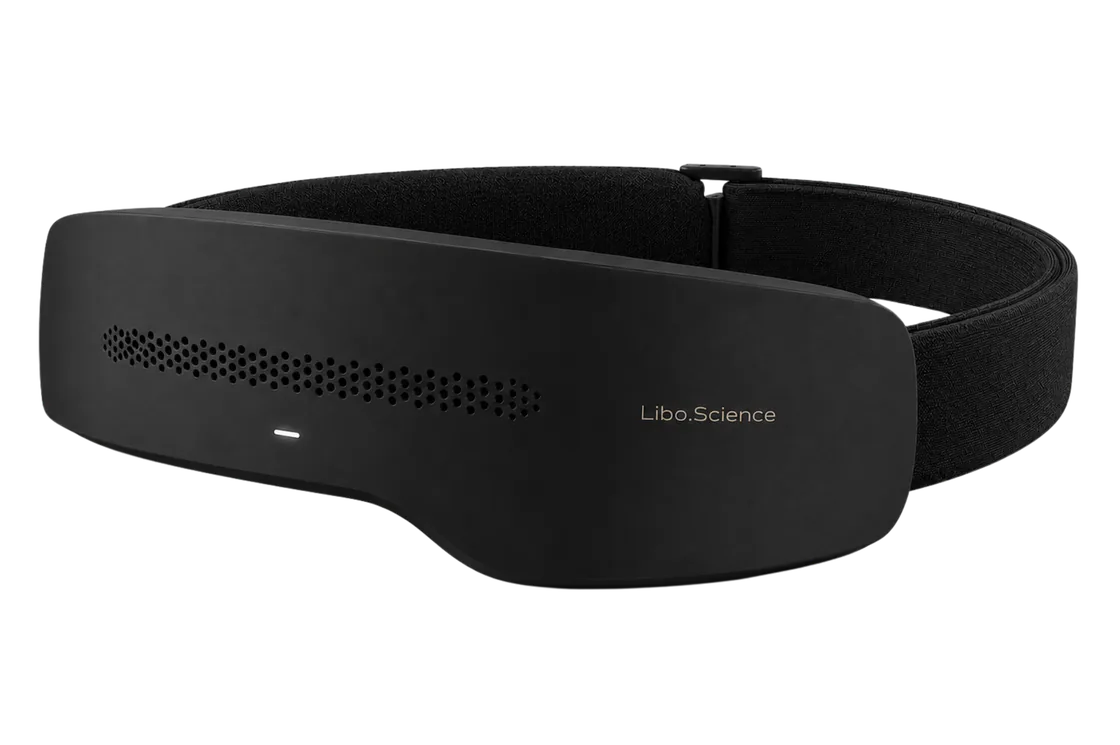
Wearable headset
One session — twenty minutes. Work, read, listen to music: the protocol finishes on its own.
Libo.Science Headset
Libo.Science uses gentle neuromodulation to support the brain’s motivation and sexual desire systems — directly, without drugs.
One session — twenty minutes. Work, read, listen to music: the protocol finishes on its own.
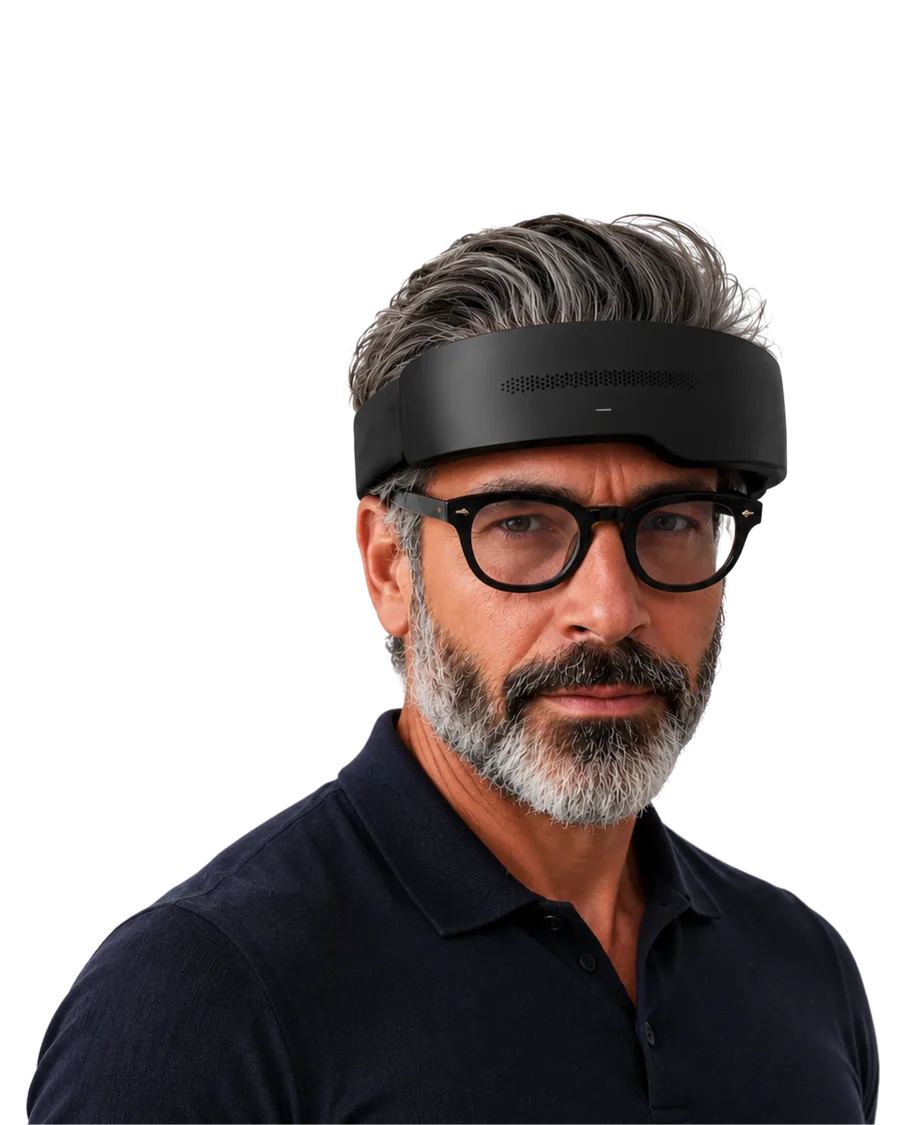
A wearable neurostimulator that supports sexual desire through gentle modulation of the brain’s motivation systems.
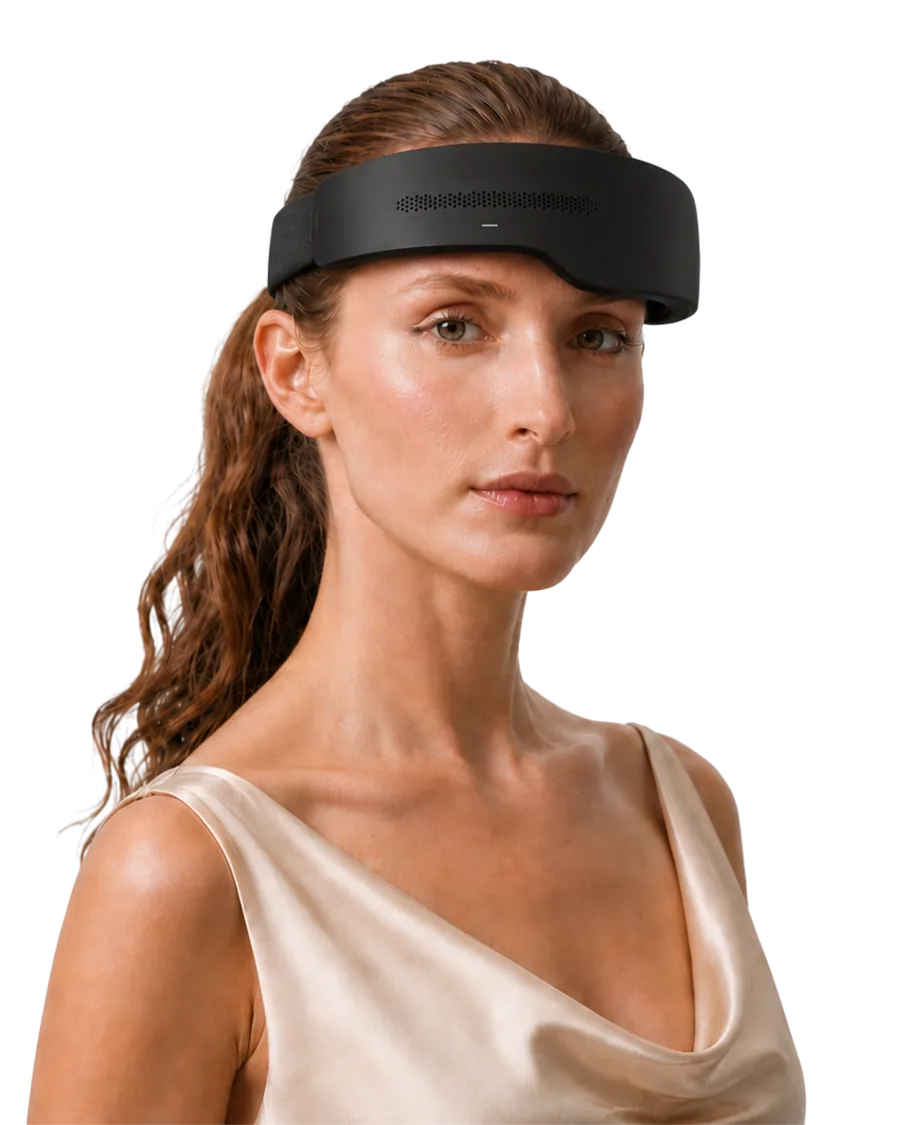
A very weak current — only 1–2 mA. Dozens of times weaker than currents used in invasive medical procedures.
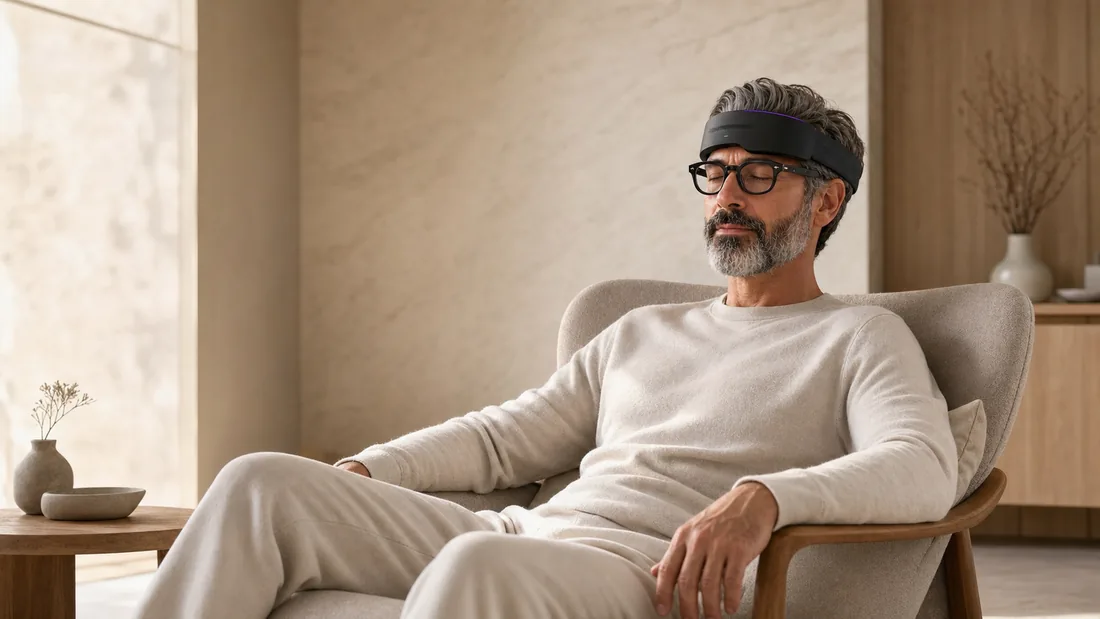
Put it on, turn it on — and keep living at your own pace. No medications, no dependence.
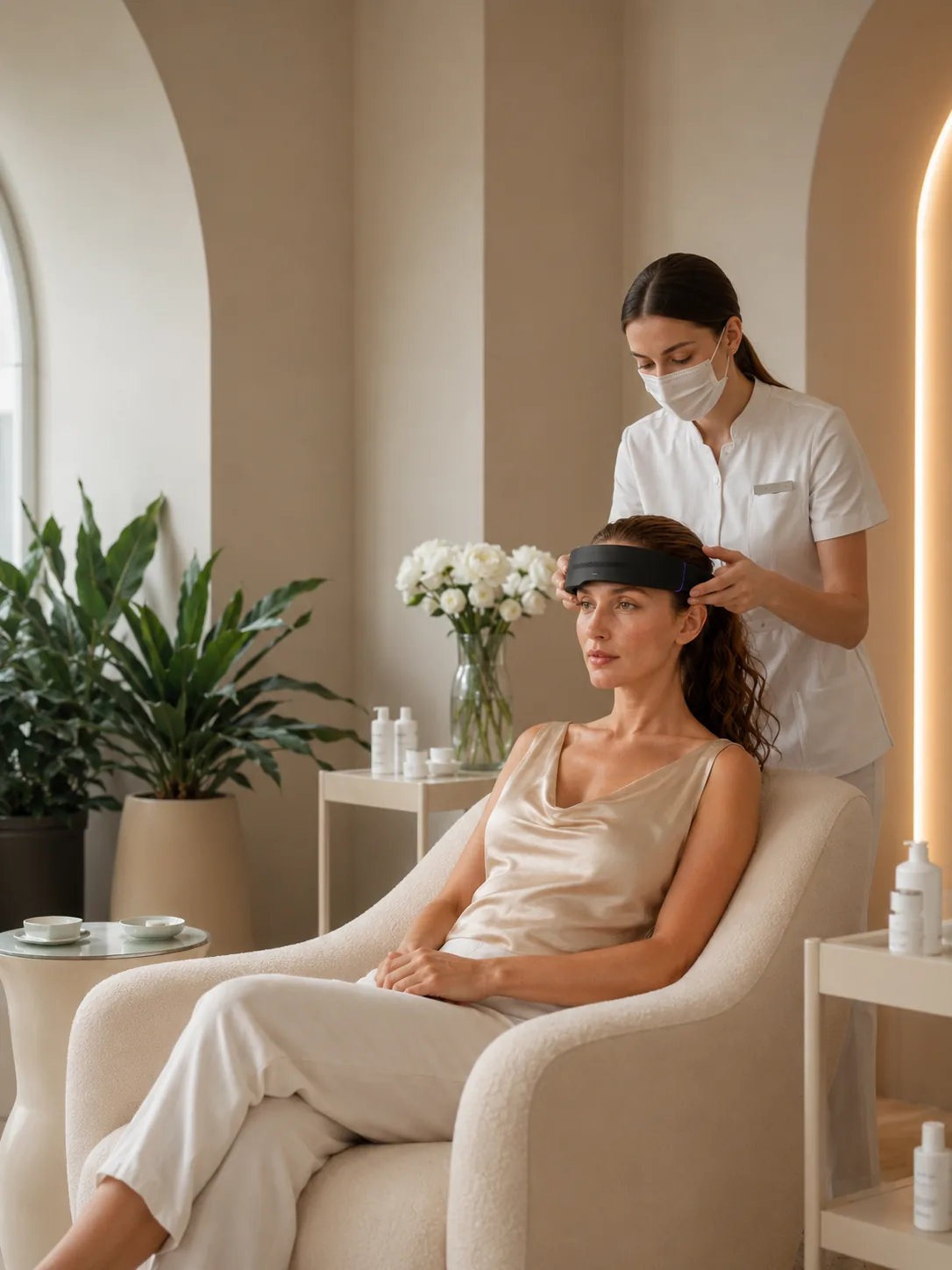
The same gentle protocol — whether you use it at home or under professional guidance.
Context
Modern life hits sexual desire hard. Stress, burnout, poor sleep, and overload increasingly lower libido — even in young, healthy people.
Results
After a course of 10 sessions, participants moved from low sexual desire to the upper end of the average range — on an international psychometric scale.
Measured with the Hurlbert Index of Sexual Desire. ~70 participants with marked libido decline.
Technology
tDCS (transcranial direct current stimulation) is a gentle, non-invasive neuromodulation method studied for more than 25 years and widely used in Europe and the US.
How to use
Put it on, turn it on — and keep living at your own pace.
Place the headset on your head. The electrodes contact the right zones automatically.
One press — and the device starts the neuromodulation protocol.
Read, work, listen to music. After 20 minutes the device ends the session on its own.
What you may feel
All sensations resolve on their own and need no action.
Mechanism
Modern neuroscience shows that sexual desire depends on brain systems for motivation, reward, and emotional regulation. Those are exactly what tDCS supports.
When these systems are overloaded or suppressed, desire drops — even with normal bloodwork and good general health. That’s why stress, anxiety, and burnout so often kill libido.
Linked to dopamine and sexual drive — a key target for gentle neuromodulation.
Supporting resilience to stress and overload helps keep desire from shutting down.
How the brain works day to day shapes how available closeness feels — for body and mind.
Chronic stress, sleep problems, mental overload, and emotional exhaustion commonly travel with low libido.
The device
See the headset in motion — how it sits and works in everyday life.
Safety
At standard parameters, the method does not cause loss of consciousness, seizures, dependence, or tissue damage. Unlike pharmacological approaches, tDCS does not create dependence, does not interact with other medications, and does not require a prescription.
stimulation sessions reviewed in an international safety analysis — with no serious adverse events at standard parameters.
Typical sensations
All sensations resolve on their own and need no action.
Why Libo
It doesn’t replace a doctor or treat disease — but it offers a predictable support ritual without chemistry.
Evidence base
Key findings from the global research community on tDCS and sexual desire.
“European evidence-based guidelines on tDCS noted probable efficacy across several indications, including depression and reducing pathological craving.”
“A major evidence-based safety review of tDCS found no serious adverse events or signs of irreversible brain injury when standard protocols are used.”
“tDCS can produce measurable changes in cortical excitability, neurochemistry, and the functional connectivity of brain networks.”
“In a PET study, prefrontal tDCS was linked to increased extracellular dopamine in a striatal region tied to motivation and reward.”
“In a published study of women with reduced sexual desire, tDCS was associated with significant improvement in desire scores versus control.”
Pre-order
Pre-order now — and lock in the early-access price.
Contact
Want to partner or place a pre-order — reach out.
@SmSvetiko